

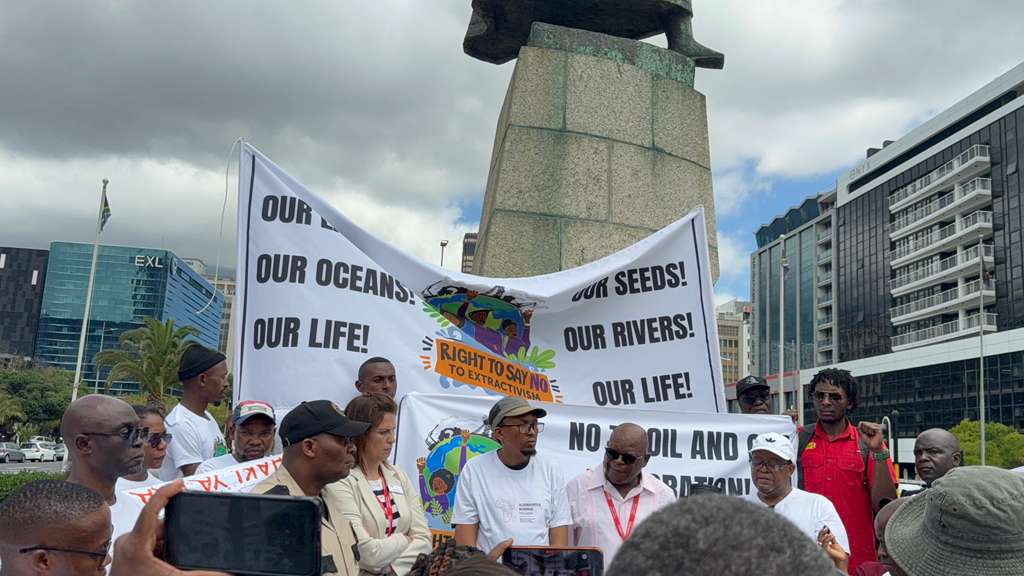
The Jesuit Centre for Theological Reflection (JCTR) and Silveira House have renewed their call for ethical, just, and community-centred mining following the just-ended Alternative Mining Indaba 2026, held from 9–11 February in Cape Town.
In a statement issued after the gathering, JCTR Executive Director Fr. Daniel Mwamba Mutale, SJ, emphasized that the Indaba, bringing together faith groups, civil society actors, and mining-affected communities from across Africa, reaffirmed the urgent need for accountable and equitable governance of the continent’s vast mineral resources. The AMI Declaration warned that irresponsible and poorly regulated mining continues to drive environmental degradation, deepen social inequalities, and erode the dignity and livelihoods of local communities.
Participants called on African governments to ensure that mining revenues are transparently managed and directed toward quality social services, sustainable development, and a just energy transition. They further urged the enforcement of robust environmental protections, fair taxation systems, and meaningful community consultation processes.
Both JCTR and Silveira House grounded their advocacy in the Jesuit Universal Apostolic Preferences (UAPs), particularly the fourth preference: “To collaborate in the care of our Common Home.” This commitment echoes the vision of Pope Francis in Laudato Si’, which calls for an integral ecology that links environmental protection with social justice. The encyclical reminds the global community that care for creation is inseparable from care for the poor, who are often the first and most severely affected by ecological destruction.
Drawing on the tradition of environmental spirituality and a faith that does justice, the two Jesuit institutions underscored that mining must serve the common good rather than narrow economic interests. Responsible extractive practices should uphold human dignity, promote solidarity, and ensure that communities on the margins, especially those displaced or harmed by mining operations, are active participants and primary beneficiaries of development.
While the Alternative Mining Indaba provides a global platform for dialogue and advocacy, JCTR in Zambia and Silveira House in Zimbabwe stressed the importance of translating global commitments into local action. This includes strengthening community voices, promoting transparency in extractive industries, and advocating policies that prioritize sustainable livelihoods and ecological restoration.
In this shared vision, ethical mining is not only an economic issue but also a moral and spiritual imperative, an expression of a Church and civil society committed to justice, solidarity, and the protection of our common home.

 English