

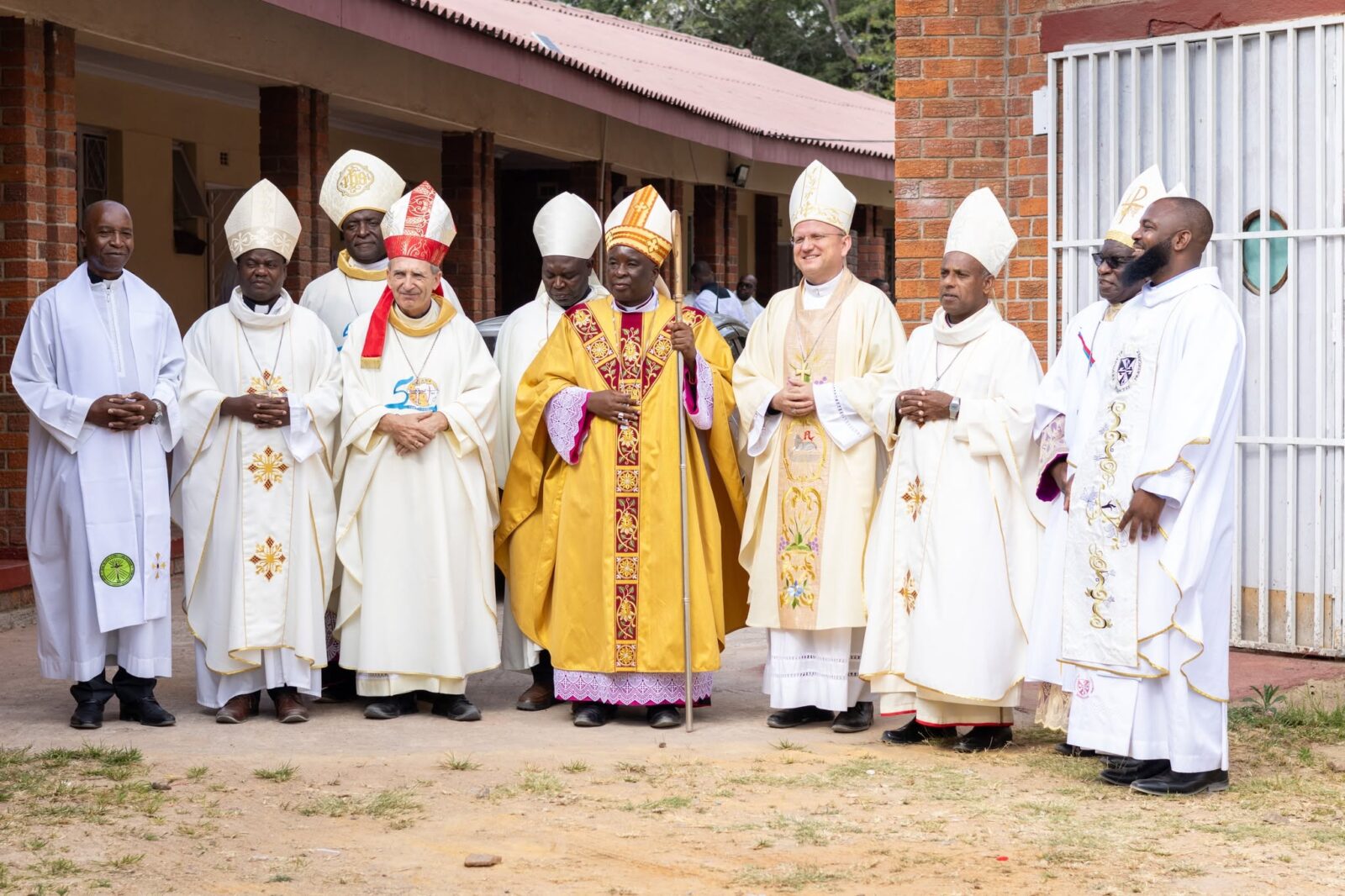
The markets are busy, the rains are uncertain in some places, and the year feels tired. In the middle of all this, the Catholic Bishops have sent the country a letter that is less about Christmas decorations and more about something much deeper, whether we are still listening to each other.
Their 2026 Advent Pastoral Letter is titled Prepare the Way of the Lord. It is gentle in tone, but firm in its questions. The Bishops do not start by pointing fingers at politicians or at the economy. They start with the Church itself. Advent, they say, is a time for honest self-examination. Where did we recognise God this year, and where did fear, habit, or self-interest stop us from responding. They quote the prophet Isaiah, who reminds us that we are the clay and God is the potter, and that we are all the work of His hand. It is a very Ignatian starting point, begin not with judgement, but with truthful reflection.
One of the most talked about parts of the letter is its reflection on religious syncretism, and specifically the growing conversation around Manjuju. Manjuju, rooted in older beliefs about water spirits, is presented in some social media and WhatsApp circles as a path to wealth, beauty, and social standing. The Bishops note that some people continue to attend Christian churches while also taking part in these practices. But they do something important, they refuse to simply condemn. Instead, they ask why. Why would a young person with no decent work find the promise of quick prosperity persuasive. Why would a parent struggling to provide for their family be drawn to any promise of relief. They are clear that Christian faith cannot be blended with practices incompatible with the Gospel, and they remind us that we cannot serve two masters. But they also insist that parishes must become safe places where young people and couples can speak without shame, and where no one is condemned on rumour or suspicion. For Jesuits, this is familiar territory, discernment, not panic, accompaniment, not accusation.
The Bishops also speak strongly in defence of unborn life. They thank all who spoke up against proposals to widen the circumstances in which abortion would be permitted. But again, they go further than a statement. If we ask a woman to welcome her child, they ask, what are we prepared to do so she and her child are welcomed and supported. What about the woman who fears facing pregnancy alone, the young person afraid to tell her family, or the mother who does not know how she will provide for another child. Defending life, in this letter, is not just a position. It is a responsibility.
The most political, and perhaps most prophetic, section of the letter deals with Constitutional Amendment No. 3. The Bishops return to concerns they raised earlier, about the removal of citizens’ direct vote for the President, about whether Zimbabweans had a genuine opportunity to shape such a consequential decision, and about reports of threats, intimidation and manipulation during public hearings. The Bill has since become law as the Constitution of Zimbabwe Amendment No. 3 Act of 2026. The President will now be elected by members of Senate and National Assembly sitting jointly, not directly by citizens. Constitutional challenges are now before the Constitutional Court. The Bishops say they respect the Court and do not presume its judgement. But their moral principle stands, nothing for us without us. It is a line drawn from the prophet Micah, to act justly, love mercy, and walk humbly with God. A decision about the future of a country, they argue, cannot be made without the people whose future it is.
The Bishops acknowledge work on roads, infrastructure and economic activity. But they ask a searching question, who is actually experiencing this progress. They speak of vendors, not as a problem to be cleared from the streets, but as families trying to survive. A policy that clears a street but leaves a family without a living has only addressed part of the problem. They speak of the person who travels to hospital and is told there are no medicines. For that person, progress is still a promise, not a reality. It is the classic Jesuit question, who is at the margins, and are we seeing them.
The letter ends not with anger, but with an invitation. Make time for prayer. Seek Reconciliation. Listen to the person you disagree with. Listen to the person you have failed to hear. Those in public office, the Bishops say, must make decisions they can explain openly. And the whole Church is invited to celebrate 1 January, the Solemnity of Mary, Holy Mother of God, with deep devotion. Zimbabwe was consecrated to the Immaculate Heart of Mary, and the Bishops ask the nation to entrust itself to her again. In 2027, Zimbabwe will also host MAZAZI, the meeting of Bishops from Malawi, Zambia and Zimbabwe. Parishes are asked to pray for it and help prepare to welcome guests.
In the end, Prepare the Way of the Lord is not a slogan. It is a practice. Clear the road of fear. Clear the road of rumour. Clear the road of decisions made without the people. Make space for listening, for truth, for mercy. This Advent, the Bishops are asking Zimbabwe to do what Ignatius asked his companions to do every day, pause, examine, discern, and then act with courage and love.
By Tadiwa Madava

 English