

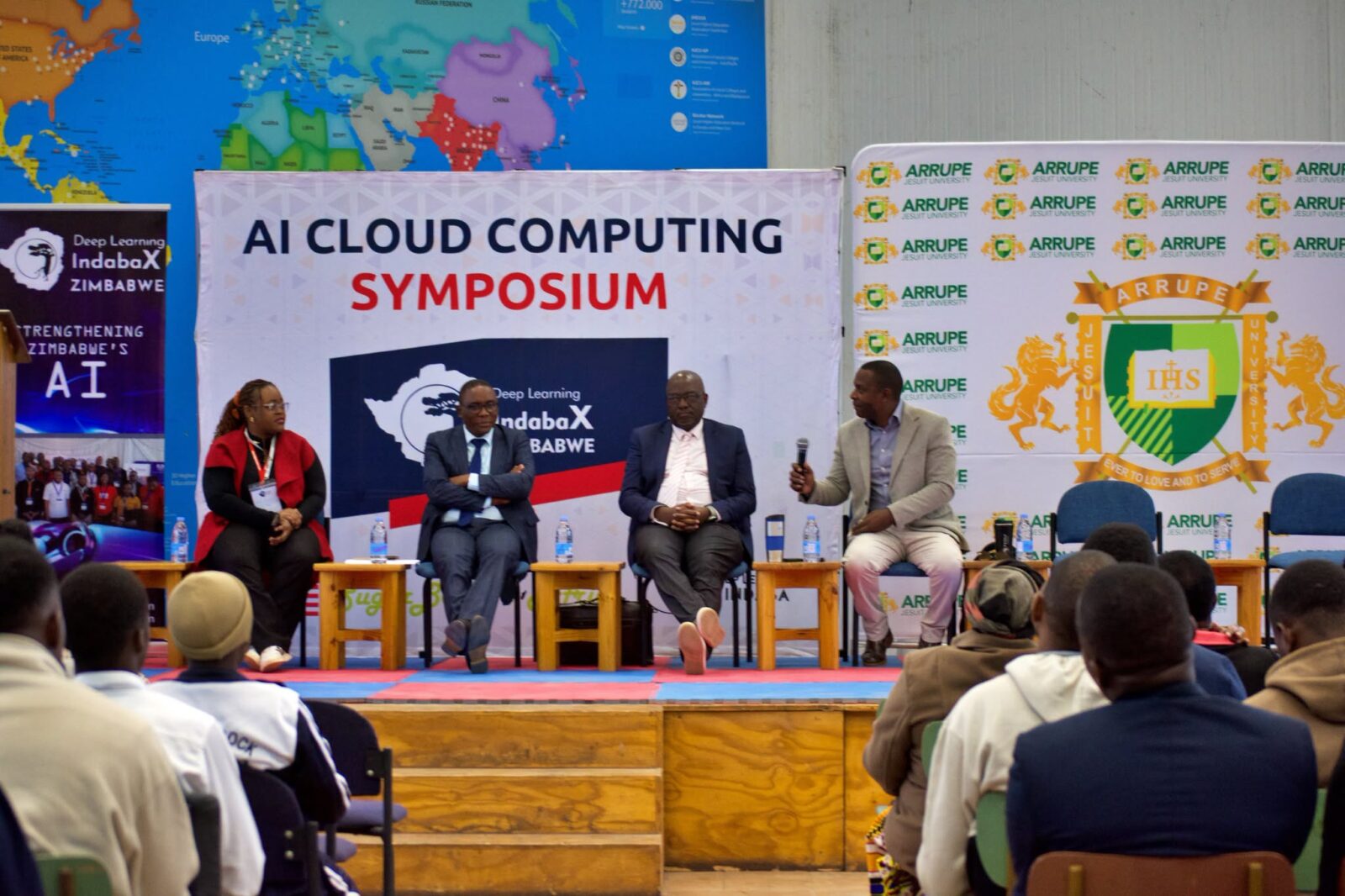
MAGNIFICA HUMANITAS: PUTTING THE HUMAN PERSON AT THE CENTER OF AI
It was the phrase that echoed through the halls of Arrupe Jesuit University during its symposium on “AI and Human Dignity: Discerning the Future Together.”
Professors, students, tech leaders, clergy, and policymakers gathered for two days to ask one Ignatian question: In an age of algorithms, how do we protect what makes us human?
The answer, again and again, was not about faster processors or bigger data. It was about the person.
The Frontier Has Moved
For 500 years, the Society of Jesus has gone to the frontiers. First to new continents. Then to classrooms, hospitals, and marginalized communities.
Today the frontier is digital.
The Arrupe symposium was a sign that Jesuit education is not afraid of that frontier. But it is determined to walk into it with discernment.
Speakers warned that AI can do many things very well. It can grade thousands of exams in minutes. It can predict crop yields. It can help doctors detect disease earlier.
But it cannot accompany. It cannot forgive. It cannot love.
“If we build technology without ethics, we become efficient at the wrong things,” one presenter said. “Our job is to make sure AI serves magnifica humanitas.”
An Ethics of Accompaniment
The central proposal from the symposium was an “ethics of accompaniment” for technology.
Borrowed from Ignatian spirituality, accompaniment means walking with people. It means seeing the whole person, mind, heart, spirit, context, not just data points.
Human-first design: Before deploying any AI tool in schools or clinics, ask “who benefits and who is left behind?”
Formation: Teach students not only how to code but also why to code. Link technical skills to Catholic Social Teaching and Ignatian values such as cura personalis, care for the whole person.
Dialogue: Bring together engineers, ethicists, teachers, and community leaders. No single discipline owns the future.
Why This Matters for Zimbabwe
Zimbabwe faces real challenges: youth unemployment, access to quality education, gaps in healthcare, and the digital divide between urban and rural areas.
AI could widen those gaps. Or it could help close them.
At the symposium, government representatives and Church leaders agreed: the goal cannot be technology for its own sake. The goal must be human development.
“When we educate a child, heal the sick, and feed the hungry, the nation is stronger,” one speaker noted. In 2026, that education must also include digital literacy, critical thinking, and ethical formation.
Arrupe Jesuit University is positioning itself to lead that formation. Its computer science and philosophy departments are now co-teaching modules on AI ethics. Its education faculty is training teachers to use AI as a tutor, not a replacement.
Faith Does Not Fear the Future
Some voices in the Church worry that technology erodes faith. The message from Arrupe was different: faith must engage the future.
The Jesuit tradition has always believed that God can be found in all things. In the 16th century, “all things” meant new cultures and languages. In the 21st century, “all things” includes neural networks and large language models.
To “find God in all things” today means asking: Where is God in this algorithm? Where is human dignity in this dataset? Where is justice in this platform?
The symposium concluded that the Church’s role is not to condemn technology, nor to baptize it uncritically. The role is to humanize it.
The Road Ahead
The symposium did not end with a final document. It ended with a commitment to continue.
Arrupe Jesuit University will host follow-up workshops with high schools, with parishes, and with industry. The goal is to create a Zimbabwean framework for ethical AI, one rooted in our context, our values, and our faith.
Because the future will be built with or without us. The question is: will it be built for us? For the human person?
Magnifica humanitas says yes.
It says that every person, whether in a rural classroom, a city hospital, or a university lab, bears the image of God and deserves technology that honors that image.

 English